Santa Lucia, I want bread, bread, help me and here I am

If you visit Palermo on December 13th with a mild temperature that can hover around 20 degrees, you might have the impression of finding yourself in a foggy location in northern Italy, but in fact what you will notice is that the fog does not depend on a classic meteorological phenomenon but rather a gastronomic one.

The city is in fact preparing to fry thousands of arancini of all types from classic to gourmet... all the Palermitans and tourists experience this festivity by tasting the wonderful fried rice balls filled with every ingredient. It is the day of frying par excellence, the scent of the crunchy breading of the arancini you will feel in the air....

But let's proceed in order and begin to understand the reason for all this folklore, so deeply felt by the people of Palermo:

In 1646 the city of Palermo was going through a terrible famine that was literally bringing the citizens to their knees. Many were dying of hunger and the population gathered in prayer to ask the Saints and God for help to overcome that crisis. On December 13, the day of St. Lucia, the miracle occurred: a ship loaded with cereals landed in the port of Palermo and, thanks to this, the city recovered. The population, destroyed by hunger, decided to immediately boil the wheat without working it, to feed themselves immediately.

Since that day, Palermo tradition dictates that on December 13th, to honor this historic moment, foods containing unprocessed cereals are eaten.
Breakfast is then served with cuccia, a sweet prepared with boiled wheat, and there is a competition to see who can eat the most arancini " accarne " (with meat) or " abburro " (with butter), a typical dish from the Palermo tradition.

Read other articles

View all

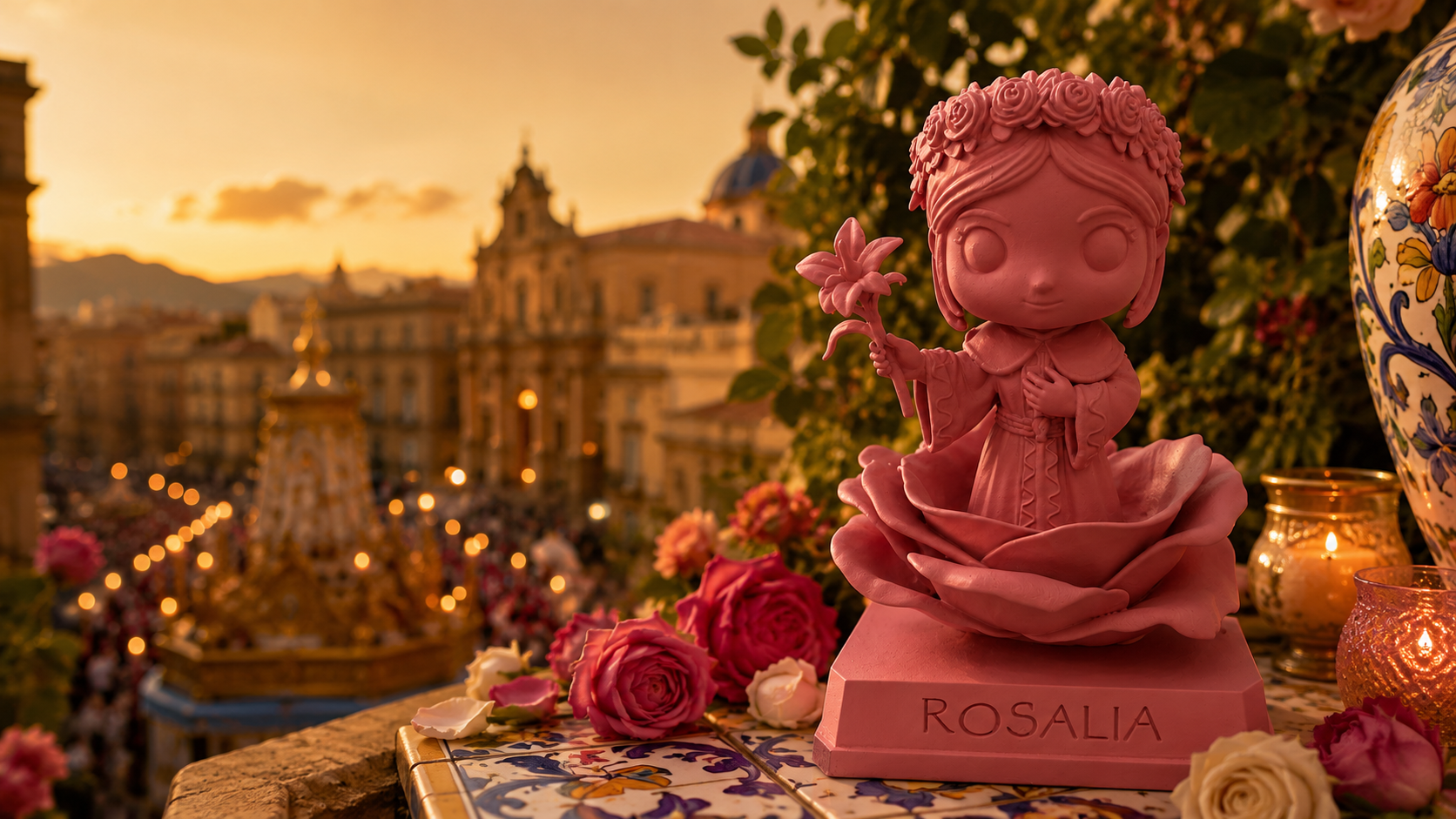
Rosalia, l’icona gentile di Palermo: il 402° Festino e il racconto di una città

Rosalia, Palermo's gentle icon: the 402nd Festino and the story of a city

Santa Rosalia is not only the patron saint of Palermo: she is one of the deepest icons of the city's identity. Every year, the Festino renews this bond, transforming the streets of the historic center into a great collective narrative made of memory, beauty, and belonging. On the occasion of the 402nd Festino, Rosalia returns to speak to Palermo with a contemporary language: not only a religious symbol but a feminine, popular, and cultural figure, capable of uniting past and present. Our Icons of Sicily collection also stems from this inspiration, reinterpreting Sicilian symbols through collector's items, illustrations, postcards, dedicated coffees, and fragrant suggestions like rose liqueur. Small fragments of Sicily to cherish, give, and tell stories about.


Read moreabout Rosalia, Palermo's gentle icon: the 402nd Festino and the story of a city

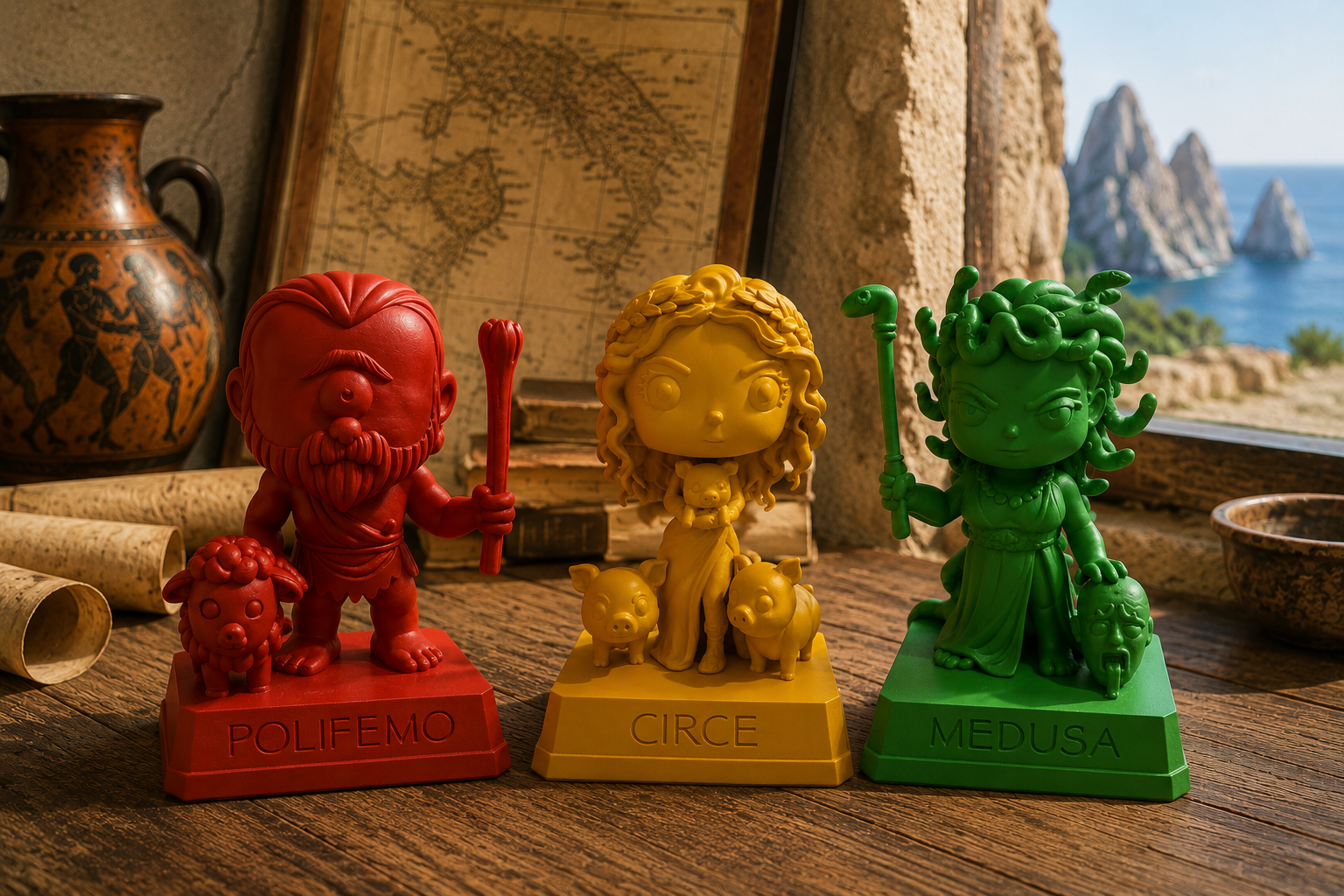
Polifemo, Circe e Medusa: perché i miti dell'Odissea vivono ancora in Sicilia

Polyphemus, Circe, and Medusa: Why the Myths of the Odyssey Still Live On in Sicily

Amidst myth, history, and legend, Sicily guards timeless tales. Discover how Polyphemus, Circe, and Medusa continue to live through Icons of Sicily, a collection that transforms the island's cultural heritage into authentic design works.


Read moreabout Polyphemus, Circe, and Medusa: Why the Myths of the Odyssey Still Live On in Sicily

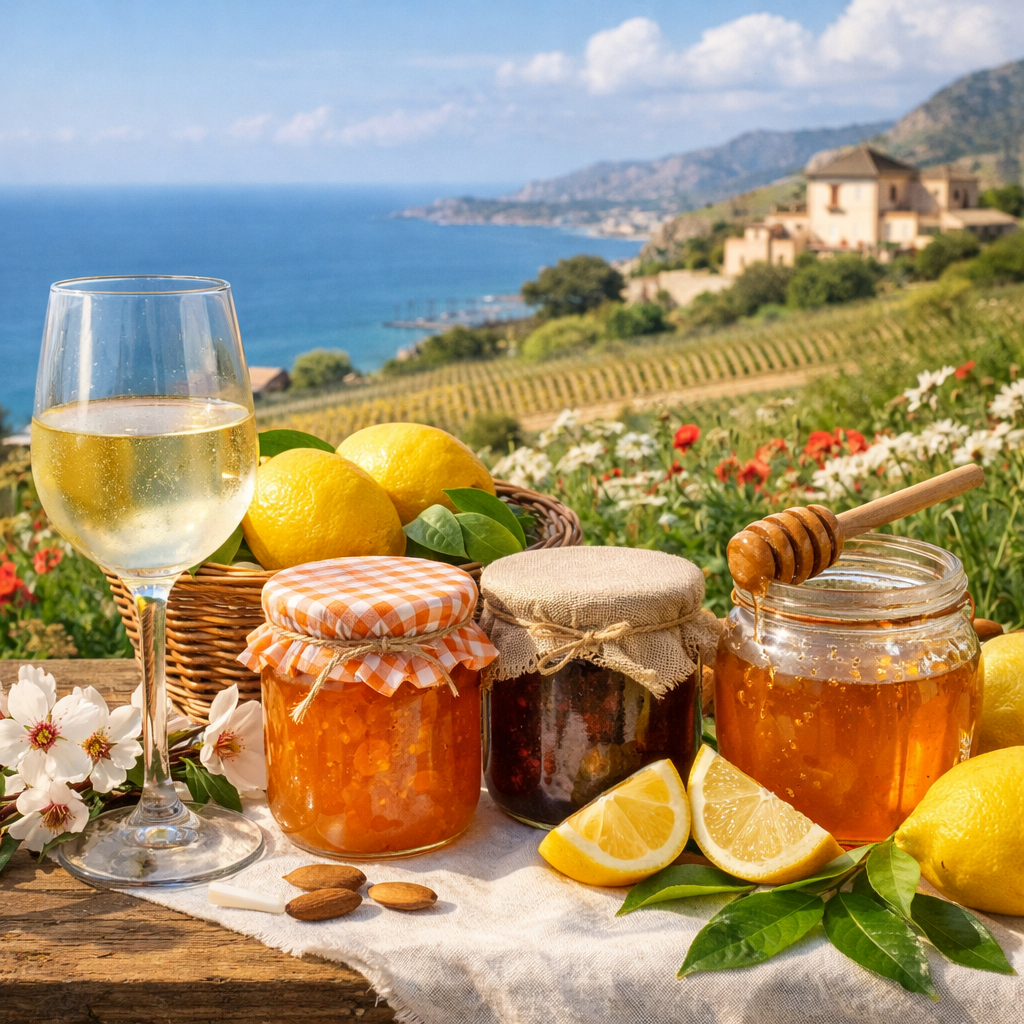
Primavera in Sicilia: profumi, sapori e tradizioni che rifioriscono

Spring in Sicily: scents, flavors, and traditions that blossom anew

With the arrival of spring, Sicily awakens in an explosion of colors, scents, and flavors that tell the story of an ancient and generous land. It is the season when nature takes center stage, and along with it, the food, wine, and artisanal traditions that make our island unique also flourish.

Read moreabout Spring in Sicily: scents, flavors, and traditions that blossom anew